
Case Studies
Improving Load Safety and Efficiency in Brick Transport – Australia
Challenges
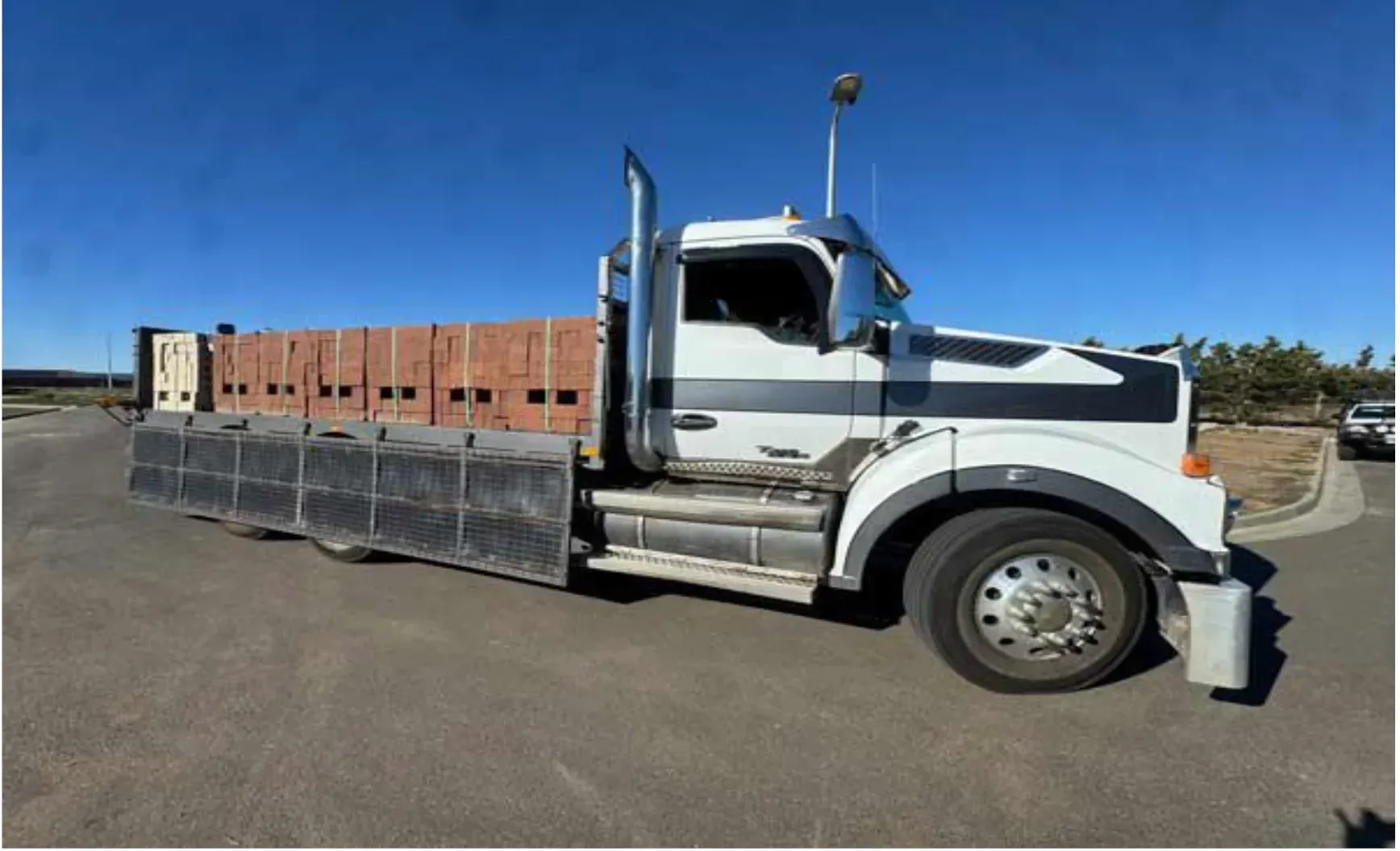
A specialist transport contractor responsible for delivering palletised bricks across Australia faced operational and safety challenges related to load restraint. Traditionally, each pallet had to be individually lashed to the truck deck, making the process labour-intensive, time-consuming, and costly.
Key challenges included:
- Meeting updated load restraint regulations and safety expectations.
- Reducing excessive loading and unloading time.
- Minimising manual handling without compromising load security.
- Improving operational efficiency while maintaining contract profitability.
Solution
To address these challenges, high-friction Rubber Load Mats manufactured by Forech were supplied through our trusted channel partner Reglin Rubber (Australia), as part of a
custom-engineered load restraint system.
The solution provided the following benefits:
- Increased friction between brick pallets and the truck deck.
- Reduced load movement during braking, acceleration, and cornering.
- Eliminated the need for individual pallet lashing.
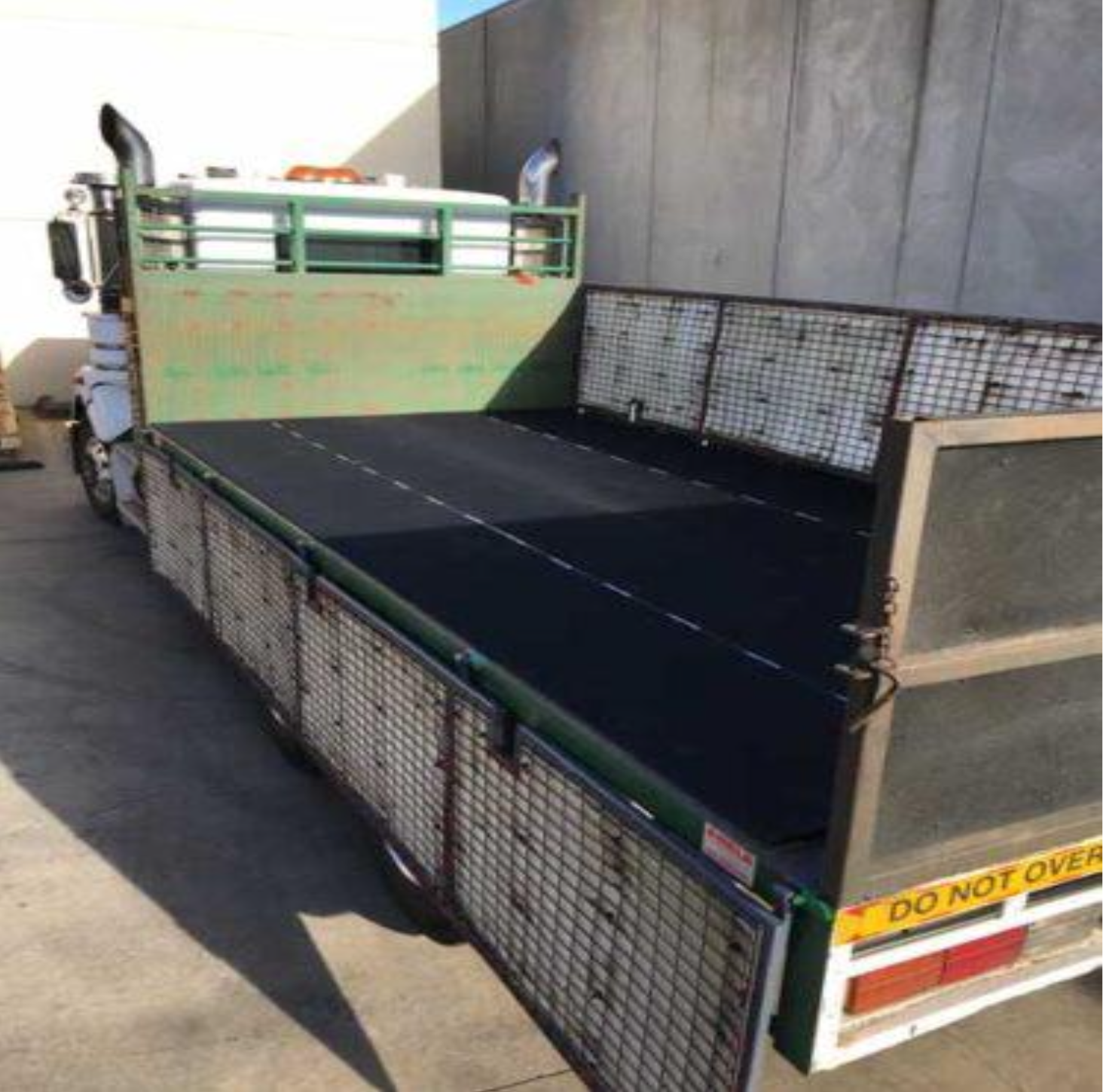
- Integration with reinforced side gates to achieve compliant load restraint.
The Rubber Load Mats were installed beneath the pallets, working in combination with strengthened side gates to secure the load efficiently and safely.
Outcome
Following implementation, the transport operator achieved:
- Enhanced load safety with significantly reduced movement risk.
- Compliance with National Transport Commission (NTC) Load Restraint Guide principles.
- Faster loading and unloading cycles, improving fleet productivity.
- Reduced labour and handling time, supporting ongoing operational profitability.
Conclusion
By adopting Forech-manufactured Rubber Load Mats, supplied via Reglin Rubber (Australia), the transport contractor implemented a compliant and efficient load restraint solution. This case study highlights how engineered rubber load matting can play a critical role in improving safety, efficiency, and cost control across modern transport operations.