
Case Studies
Improving Load Restraint Safety Using Forech Rubber Load Mat – Australia
CHALLENGES
During transportation of heavy, smooth, or sensitive cargo, low friction between load and deck surfaces often leads to load slippage. Steel-on-steel contact, palletised
cargo movement, and dynamic transport conditions increase the risk of cargo damage, safety incidents, and non-compliance with load restraint guidelines, particularly under wet or long-haul operating conditions.
SOLUTION
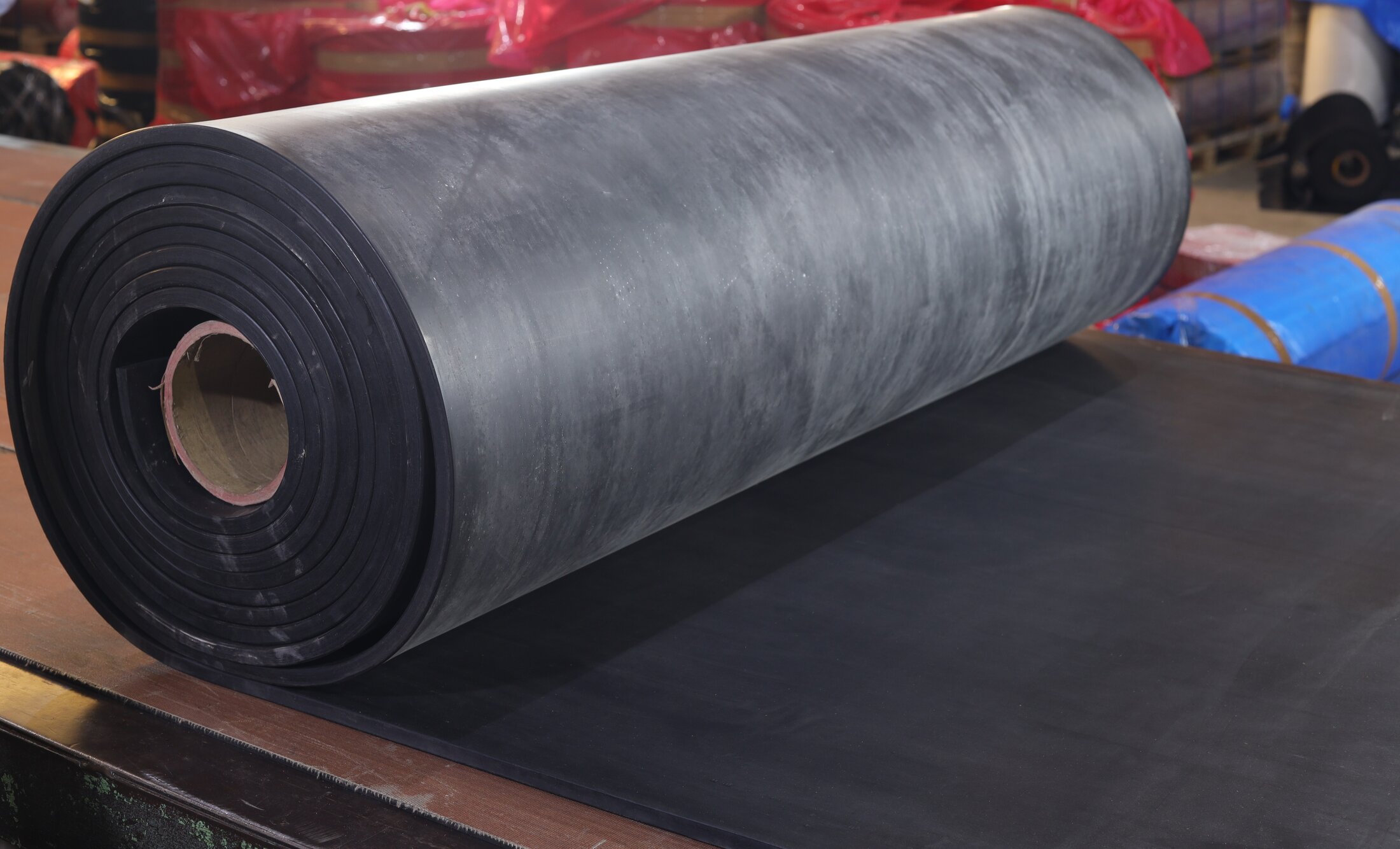
Forech introduced its high-performance Rubber Load Mat, engineered from premium-quality natural rubber and designed specifically for effective load restraint applications across transport industries.
- High friction rubber surface delivering a coefficient of friction exceeding 0.6 in wet and dry conditions.
- Designed in line with NTC Load Restraint Guide requirements and industry-standard friction testing practices.
- Highly durable solid rubber construction suitable for repeated use under heavy transport loads.
- Available in 5 mm and 8 mm thickness options, supplied in full rolls or custom-cut strips and pads.
Forech Rubber Load Mats are easily positioned between cargo and deck surfaces or bonded to bolsters and support structures, allowing quick installation without modification to existing transport equipment.
OUTCOME
- Significant reduction in load slippage during road transport operations.
- Improved protection of sensitive and finished cargo surfaces.
- Enhanced compliance with national load restraint and safety standards.
- Improved transport safety with reduced dependency on excessive tie-down systems.
- Long-term cost efficiency due to durability, reusability, and reduced cargo damage.
CONCLUSION
By adopting Forech Rubber Load Mat, transport operators achieved safer, more reliable, and compliant load restraint across a wide range of applications including steel transport, pipe handling, construction materials, and speciality cargo. This Forech-engineered solution delivers consistent performance, enhanced safety, and long-term operational value in demanding transport environments.